The Power of Design
Why Looks Matter More Than You Think
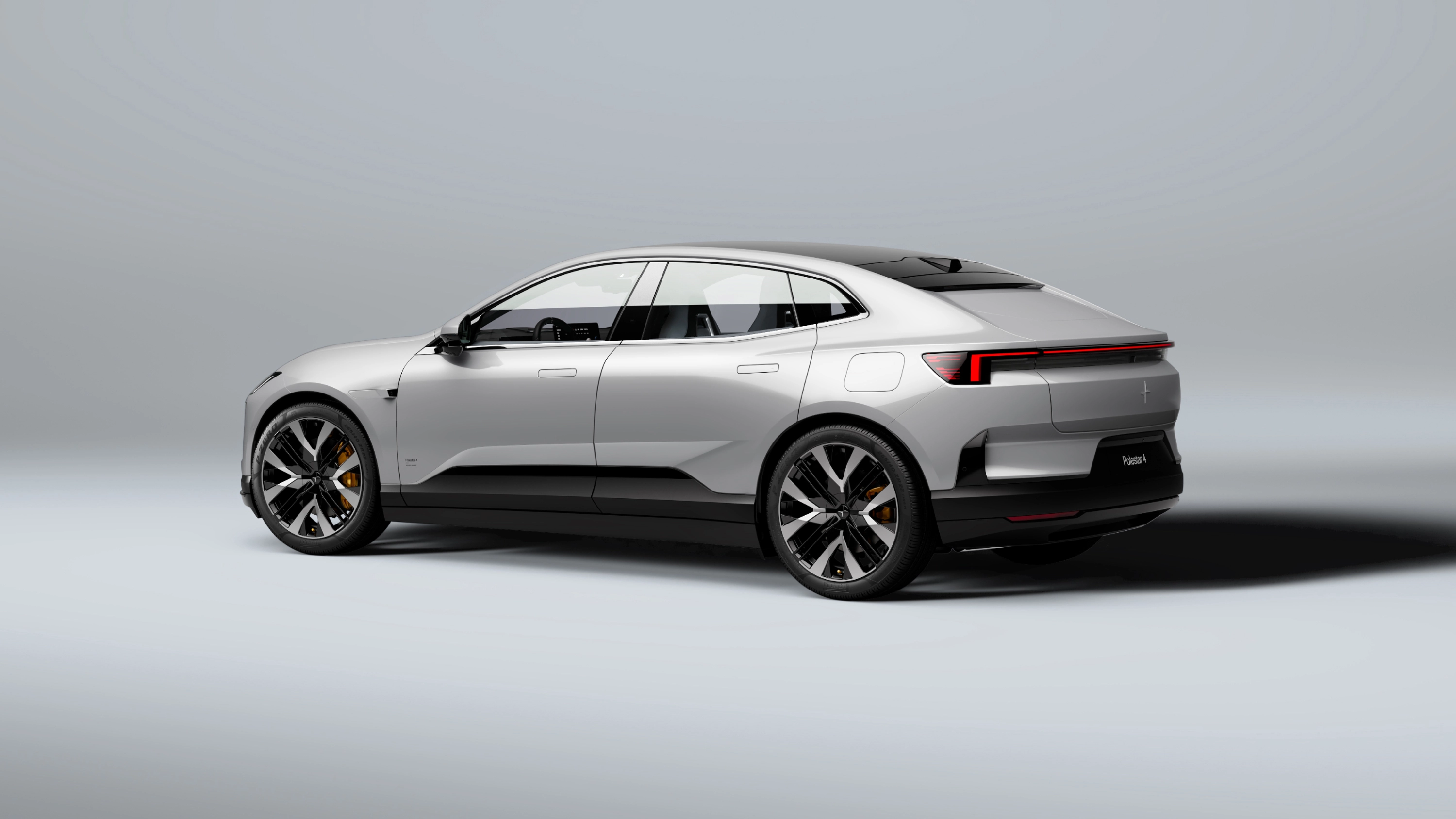
Imagine walking into a wine shop. Two bottles sit side by side—one with a sleek, minimalist label embossed with gold foil, the other with a plain, poorly printed design. Without checking the price, which one do you assume is better? Most people instinctively reach for the expensive-looking one, even if both contain the exact same wine.
This is the power of design. It doesn’t just make things look nice—it influences perception, drives purchasing decisions, and even changes how we experience a product.
The Subconscious Value of Good Design
Consumers don’t just buy products; they buy stories, emotions, and perceived quality. Studies show that people are willing to pay more for something that looks premium, even if the functionality remains unchanged. Apple, for instance, invests heavily in sleek, simple packaging because they know that unboxing is part of the experience.
When a product is beautifully designed, it signals:
Quality – A sophisticated appearance suggests better craftsmanship.
Trust – A well-thought-out design implies attention to detail and reliability.
Emotional Connection – Luxury design evokes feelings of exclusivity and pleasure.
The Wine Bottle Experiment
The wine bottle scenario is a perfect example. When given two bottles of identical wine—one in cheap-looking packaging and the other in an elegant design—most consumers rate the expensive-looking bottle as tasting better. This phenomenon is called the “Expectation Effect”—our brains trick us into believing something is superior just because it appearspremium.
Design as a Business Strategy
For brands, investing in great design isn’t just about aesthetics; it’s a business decision. High-quality design:
Increases perceived value – Customers are willing to pay more.
Creates brand loyalty – People trust and remember well-designed brands.
Influences first impressions – A product has only seconds to catch attention.
Final Thought
Cutting costs on design can save money in the short term, but it can cost more in lost sales and brand credibility. Whether it’s packaging, a website, or a product itself, great design isn’t a luxury—it’s a necessity. Because in the end, people dojudge a book (or a bottle of wine) by its cover.
Other news
See more stories